Call Us Today! +18447427438 | [email protected]


Video Intercom Systems for Apartments in Canada: A Complete Guide
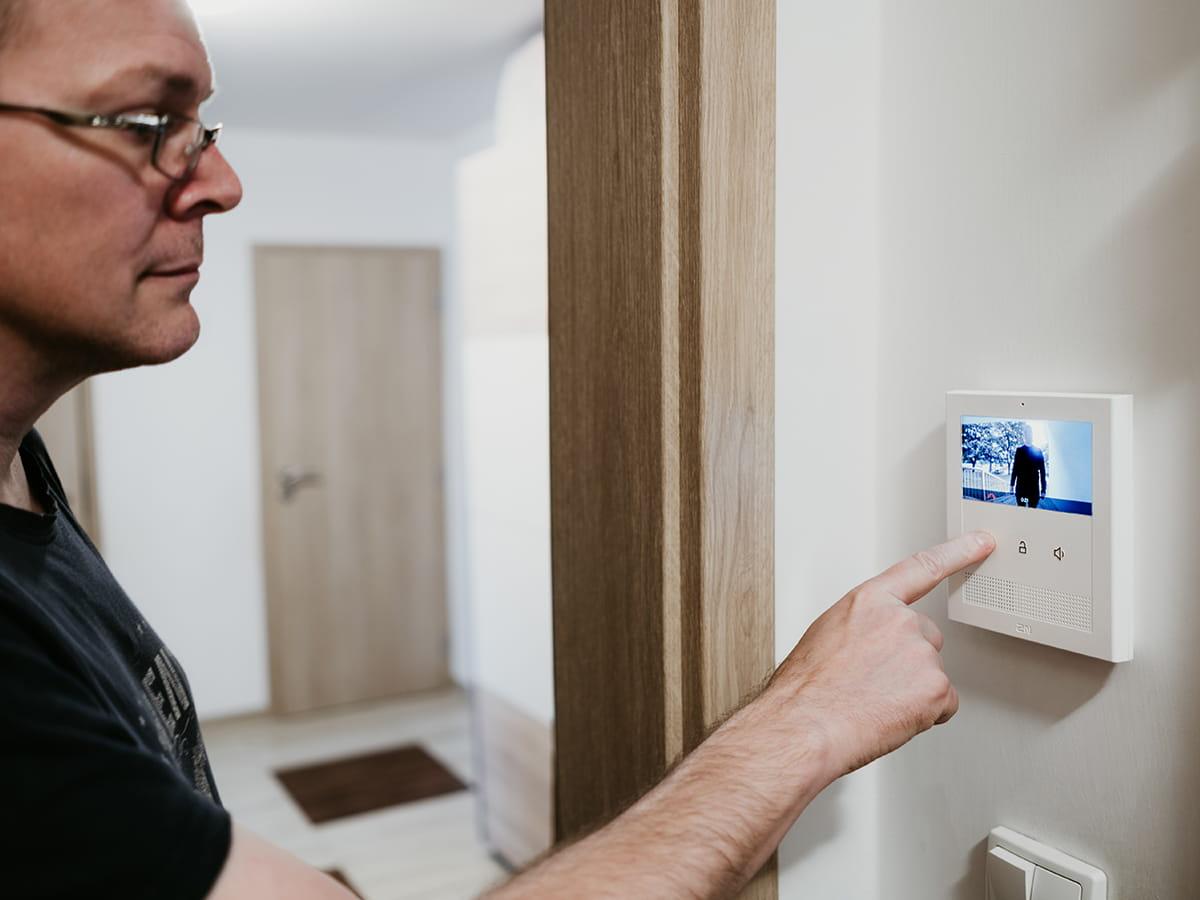
Managing access to an apartment building involves more than securing the front door. Residents need a convenient way to receive visitors; delivery personnel need clear instructions for entry, and property managers need a practical approach to controlling access to shared spaces.
A Video Intercom System for Apartments can help address these needs by allowing residents to see and communicate with visitors before deciding whether to grant entry. Depending on the system, communication may take place through an indoor monitor, a mobile application or another connected device.
For Canadian apartment buildings and condominiums, selecting the right system requires careful consideration of the building layout, existing wiring, resident needs, property management arrangements and privacy expectations.
This guide explains how apartment video intercom systems work, which features to compare, what to consider when upgrading an existing building and how to plan an installation that supports everyday building operations.
What Is a Video Intercom System for Apartments?
A video intercom system is an electronic communication and entry management solution that lets residents or authorised staff communicate with people at a building entrance. A camera and microphone at the entry panel allow the recipient to see and speak with a visitor before deciding whether to unlock the door, if remote unlocking is supported.
A system designed for a multi-unit property may include:
- An outdoor entry panel with a camera and microphone
- A directory for identifying residents or units
- Indoor monitors or compatible mobile devices
- Electronic door release hardware, where supported
- Network or wiring infrastructure
- Management tools for configuring residents and access permissions
The exact components depend on the system and building requirements. Some installations use dedicated wiring and indoor monitors, while others rely on network connectivity and mobile applications.
Unlike a basic doorbell installed at an individual residence, an apartment intercom must account for shared entry, multiple households, and the building’s visitor management process.
Why Apartment Buildings May Benefit From Video Intercoms
1. Residents Can Verify Visitors Before Granting Entry
When a visitor arrives at a shared entrance, residents need a practical way to establish who is requesting access.
A video intercom lets a resident view a visitor and communicate with them before deciding whether to release the entrance door, where that function is available.
This can be useful when residents are expecting guests, contractors or deliveries. It also gives residents an opportunity to decline entry if they cannot identify the visitor or are not expecting anyone.
However, a camera image should not be treated as absolute proof of identity. Residents should still use reasonable judgement when responding to unexpected entry requests.
2. Shared Entry Becomes Easier to Manage
In a building with several apartments, visitor communication can become confusing when people have different schedules and entry requirements.
A suitable intercom directory can help visitors contact the correct unit without having to call property management for every routine visit.
For buildings with a staffed reception area, the system may also support communication between visitors and authorised building personnel, depending on its design.
The objective is to create a straightforward entry process that works for residents, visitors and the people responsible for managing the property.
3. It Can Simplify Delivery Coordination
Apartment deliveries can create challenges when a courier arrives and cannot reach the intended resident.
A video intercom may allow the resident to communicate with the courier and explain the appropriate delivery procedure. If the building supports remote door release, the resident may also be able to grant temporary entry when appropriate.
Remote unlocking should be used thoughtfully. Residents should not release a shared entrance simply because someone claims to have a delivery. Building policies should explain how deliveries are handled, including situations when the resident is unavailable.
A video intercom does not replace secure parcel storage or a designated delivery procedure, but it can form part of a broader approach to managing visitor access.
4. It Can Improve Communication Between Residents and Visitors
A well-positioned entry panel gives visitors a direct way to contact the appropriate apartment.
This may be especially useful in buildings where visitors are unfamiliar with the layout or where residents cannot easily hear a traditional buzzer from inside their units.
Depending on the chosen system, residents may answer through an indoor screen or compatible mobile device. Before choosing a mobile-based option, confirm device compatibility and the connectivity required for calls and door release.
5. It Can Support More Organised Property Management
A multi-unit intercom system needs an organised process for maintaining the resident directory, updating unit information and handling changes in occupancy.
Some systems allow administrators to manage resident details and permissions through central software. Others require changes to be made locally or through a service provider.
For property managers, it is worth considering how easily the system can be updated when tenants move, contact details change, or a unit changes ownership.
The simpler these administrative tasks are, the easier it may be to keep the entry system useful over time.
Types of Video Intercom Systems for Apartments
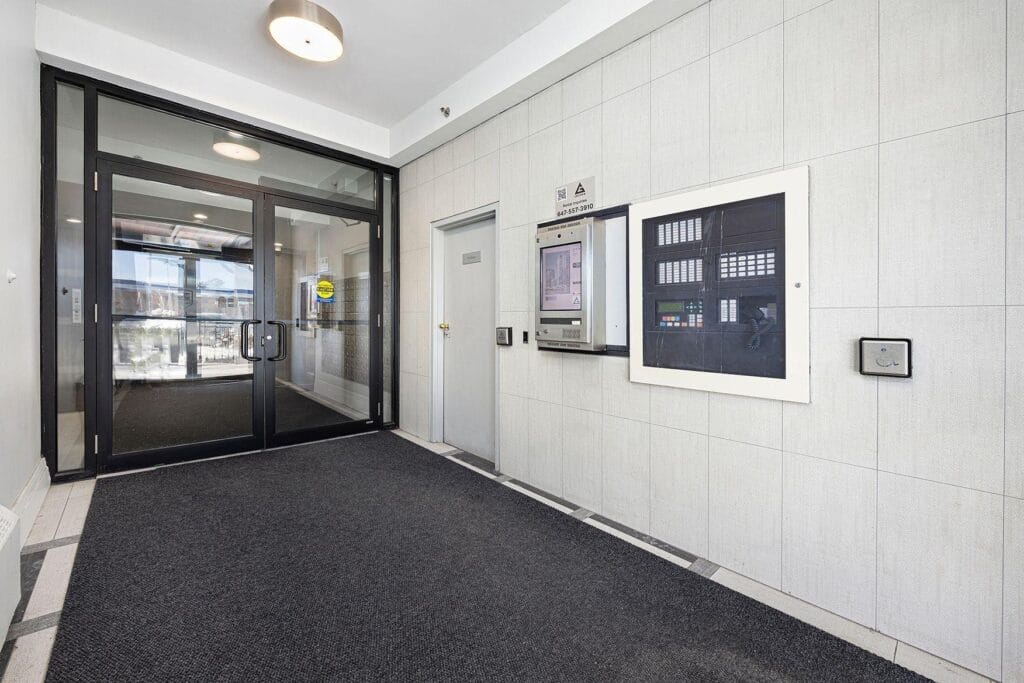
Not every apartment building needs the same configuration. The right option depends on the building’s size, existing infrastructure, resident preferences and management requirements.
1. Wired Video Intercom Systems
Wired systems use dedicated cabling to connect some or all of the entry panel, indoor monitors and related equipment.
They may suit buildings where appropriate wiring already exists or where renovation work makes new cable routes practical.
Before selecting a wired system, an installer should assess existing cables, the condition of the infrastructure, the distance between components and the requirements of the proposed equipment.
In an older Canadian apartment building, existing wiring should not be assumed to be compatible simply because a previous buzzer system was installed.
2. IP-Based Video Intercom Systems
Internet Protocol, or IP, intercom systems communicate over a data network. Depending on the design, they may connect to indoor stations, management software or compatible mobile devices.
IP systems can offer flexibility when a building needs central administration or integration with other compatible technology.
However, their performance depends on the network design, equipment compatibility and the system’s operating requirements. A network assessment can help determine whether the existing infrastructure is suitable or whether changes are needed.
3. Mobile App-Based Intercom Systems
Some systems allow residents to receive calls and view visitors through a compatible smartphone application.
This can be convenient for residents who are away from their apartment when a visitor arrives. However, availability depends on the product, account configuration, network connectivity and mobile device compatibility.
Property managers should also consider residents who do not use smartphones or prefer a fixed indoor monitor. A building’s entry system should be selected around the needs of its residents rather than assuming everyone wants the same interface.
4. Systems With Indoor Monitors
Indoor monitors provide a dedicated screen and communication interface inside an apartment.
They may be useful for residents who prefer not to rely on a mobile device or who want a fixed point for answering entry calls.
When comparing systems, consider screen visibility, audio clarity, ease of use, mounting location and whether the monitor supports the required door release functions.
5. Integrated Entry and Access Control Systems
Some apartment projects combine intercom communication with electronic access control. This can allow a visitor to contact a resident while giving authorised residents or staff other approved ways to enter.
An integrated setup may be appropriate for buildings that want to coordinate resident credentials, shared doors and visitor entry. However, the capabilities depend on compatibility between the intercom, locking hardware and access management platform.
If you are considering this approach, review the entry requirements for the main entrance, parking areas, amenity rooms and other controlled spaces separately. One solution may not be suitable for every door.
What Should You Look for When Choosing a System?
Before purchasing a Video Intercom System for Apartments, compare the features that affect everyday use and long-term management.
Clear Video and Audio
Residents need to see visitors clearly enough to make a reasonable decision about entry and communicate without excessive noise or distortion.
Ask about camera positioning, lighting conditions, microphone performance and audio quality. The entrance should be assessed at different times of day because lighting and surrounding noise can affect usability.
A Practical Resident Directory
The directory should make it straightforward for visitors to identify the correct unit or contact point.
Consider how resident names are displayed, how the directory is updated and who is authorised to make changes. A clear process can reduce incorrect calls and administrative problems.
Door Release Compatibility
If residents need to unlock the main entrance remotely, confirm that the intercom supports this function and is compatible with the existing or proposed locking hardware.
The installer should explain what happens when the system loses power or connectivity and how the entrance behaves during an equipment failure.
Network and Connectivity Requirements
IP-based and mobile systems may require dependable network connectivity. Some equipment also requires particular wiring, power arrangements or network configuration.
Ask which components depend on the internet and which functions continue to operate locally during an outage. Do not assume that every feature remains available when a connection fails.
Accessibility and Ease of Use
Residents may have different levels of comfort with digital technology, and visitors may include people with hearing, vision or mobility needs.
Consider the height and placement of the entry panel, readability of the directory, usability of controls and the available communication methods.
Where accessibility requirements apply, consult the relevant qualified professionals and authorities when planning the installation.
Ongoing Support and Maintenance
A shared entry system is an ongoing building service, not just a one-time installation.
Ask who will update the resident directory, troubleshoot faults, maintain the equipment and coordinate repairs. Confirm what support is available and whether any software or service fees apply.
Installing a Video Intercom System in an Existing Canadian Apartment Building
Upgrading an existing building can require more planning than installing equipment in a new development.
The first step is to assess the current entry system and the infrastructure behind it. This helps establish whether existing wiring and door hardware can be reused or whether additional work is required.
Review the Existing Entrance
Inspect the main entry panel location, door construction, locking hardware, available power, and any existing buzzer or intercom equipment.
The entry area should also be assessed for weather exposure, lighting, visitor flow and the practical position of the camera and controls.
Check the Building’s Wiring and Network
Older buildings may have legacy intercom wiring that is not compatible with a modern IP system or video monitor.
An installer should identify cable routes, available network connections, equipment locations and any work needed to connect the system. In multi-unit buildings, coordination with the building’s management and other relevant trades can help prevent disruption.
Plan for Residents During Installation
Property managers should consider how residents and visitors will enter the building while work is underway.
Communicate the expected installation schedule, temporary entry arrangements and any actions residents need to take, such as updating contact information or installing a supported application.
If the project affects shared infrastructure, coordinate access to the relevant areas and equipment rooms in advance.
Test the Complete Entry Process
Before the system is put into everyday use, test calls to different apartments, audio and video quality, directory accuracy and door release where applicable.
Confirm the expected behaviour during power or network interruptions, and provide clear instructions for residents and property management.
A successful installation should include documentation, training for designated administrators and a process for reporting problems.
Privacy Considerations for Canadian Apartment Buildings
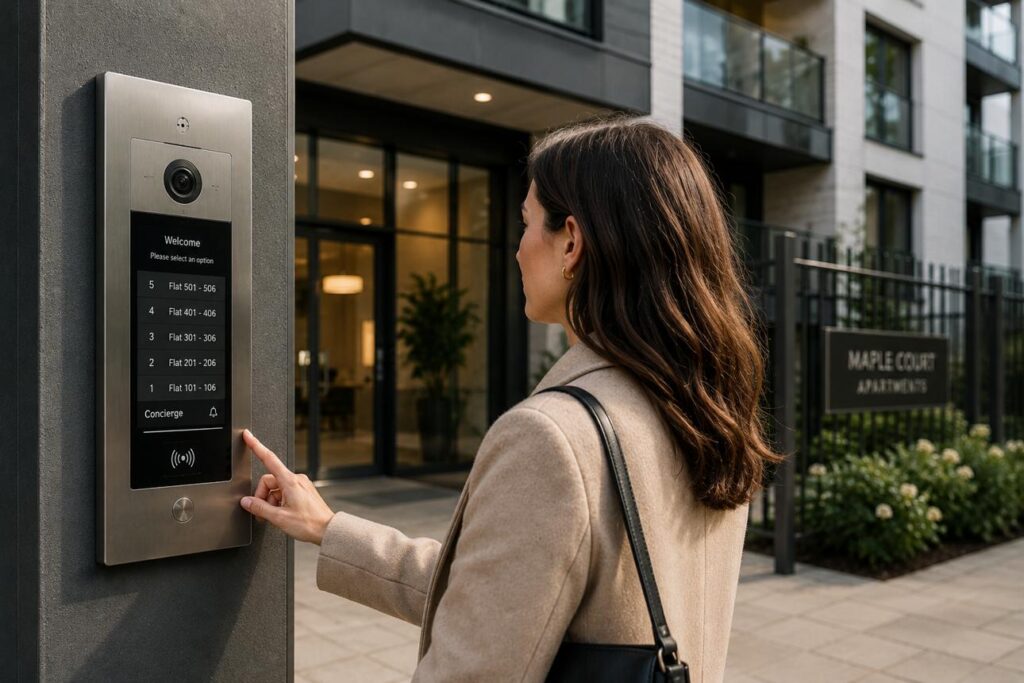
Video intercoms involve images and potentially audio of people entering a building. Property managers should consider privacy from the start rather than treating it as an afterthought.
The appropriate requirements depend on the province or territory, the organisation responsible for the system and how the information is collected and used.
The Office of the Privacy Commissioner of Canada provides guidance on privacy in the landlord and tenant relationship. Its guidance discusses the importance of explaining surveillance purposes, communicating policies and limiting access to recorded information.
When planning an apartment intercom, consider the following practices:
- Collect only the information needed for the intended entry and communication purpose.
- Explain how any video or audio is used and whether it is recorded.
- Limit access to recordings, system accounts and administrative functions to authorised people.
- Establish appropriate retention and deletion practices if recordings are stored.
- Secure connected devices, administrator accounts and network access.
- Avoid positioning cameras to capture areas where people reasonably expect privacy.
Not every video intercom records footage, and not every system has the same audio or storage capabilities. Confirm exactly what the selected equipment collects, stores, and transmits.
For province-specific requirements, property owners and managers should consult the applicable privacy authority or qualified legal adviser. Do not assume that one privacy policy applies identically to every Canadian building.
Common Mistakes to Avoid
Choosing Equipment Before Assessing the Building
A system that works well in a new condominium may not be appropriate for an older apartment block with limited cabling or unusual entrance hardware.
Start with a site assessment and a list of the building’s actual needs.
Assuming Every Resident Wants a Mobile App
Mobile access can be convenient, but residents may prefer a dedicated monitor or another supported method. Consider usability across the building’s resident population.
Ignoring the Door Lock
The intercom and the locking mechanism need to work together. Confirm compatibility and the expected behaviour during a fault or outage.
Overlooking Directory Management
An outdated directory can lead to missed visitors and unnecessary administrative work. Decide who will maintain resident details and how updates will be handled.
Forgetting Long-Term Support
Before committing, establish who will maintain the equipment, respond to problems and provide technical support.
Treating Video Intercoms as a Complete Security Solution
An intercom helps manage communication and entry, but it does not replace every other building security measure. Appropriate locks, lighting, visitor procedures and building management practices may still be important.
How Sharif Tech Canada Can Help
Choosing a video intercom for an apartment building involves more than selecting a panel with a camera. The system must suit the entrance, building infrastructure, resident requirements and wider technology setup.
Sharif Tech Canada provides residential technology, networking, smart home and security-related services. Its team can be contacted to discuss the building’s requirements and determine which solutions may be suitable.
Explore the Sharif Tech Canada Services page for an overview of its service areas. You can also review its Smart Home Automation services to learn more about connected residential technology, or visit the Contact page to discuss your project.
When enquiring about an apartment intercom installation, provide the number of units, type of entrance, existing intercom setup, and whether you need indoor monitors, mobile access, or integration with electronic locks. These details help establish what should be assessed before recommending equipment.
Frequently Asked Questions
1. What is a video intercom system for apartments?
It is a communication system that allows a visitor at a shared building entrance to contact a resident or authorised staff member, usually with live video and audio. Depending on the setup, it may also support remote door release.
2. Can residents answer an apartment video intercom on their phones?
Some systems support mobile applications, while others use dedicated indoor monitors. Confirm the device requirements, connectivity, and available features before choosing a system.
3. Can a video intercom be installed in an older apartment building?
Often, an upgrade is possible, but the available wiring, entrance hardware, network infrastructure and building layout affect the installation. A site assessment is the best way to determine the options.
4. Does a video intercom automatically unlock the building entrance?
No. Door release is a feature supported by some systems and requires compatible locking hardware and configuration. Confirm how entry is authorised and what happens during an outage.
5. Can one video intercom system serve multiple apartments?
Yes, systems designed for multi-unit properties can support multiple residents or units. The number of units, directory design and administration features depend on the selected equipment.
6. Do apartment video intercom systems record visitors?
Some systems offer recording or storage features, while others primarily provide live communication. Property managers should verify whether video or audio is stored, how it is protected and who can access it.
7. Are video intercom systems suitable for Canadian condominiums?
They can be suitable for condominiums and rental apartment buildings. The system should be selected around the building layout, residents’ needs, existing infrastructure, management arrangements and applicable privacy considerations.
8. Can a video intercom work with an existing access control system?
Some products support integration, but compatibility depends on the intercom, controller, locking hardware and management software. Confirm the exact integration requirements with the installer before purchasing equipment.
9. What should property managers ask before installation?
Ask about compatibility with existing wiring and locks, the number of units supported, mobile and indoor monitor options, outage behaviour, privacy features, maintenance, administrator training and recurring fees.
10. Is a video intercom the same as a video doorbell?
Not necessarily. A video doorbell is generally designed for an individual home or entrance, whereas an apartment intercom typically manages communication across a shared entrance and multiple units. Some technologies overlap, but a multi-unit building needs a solution designed for its access and directory requirements.
Final Thoughts
A well-planned Video Intercom System for Apartments can make visitor communication more convenient and give residents a clearer way to decide who enters a shared building.
For Canadian property owners and managers, the right choice depends on the building’s existing infrastructure, number of units, resident preferences, privacy practices, and long-term support needs.
Assessing these factors before choosing equipment can help avoid compatibility problems and create an entry process that is practical for residents and management alike.
If you are considering an upgrade for an apartment or condominium building, explore Sharif Tech Canada’s services or contact the team to discuss your requirements.