Call Us Today! +18447427438 | [email protected]


Burglar Alarm Guide: How They Work and What to Consider Before Choosing One
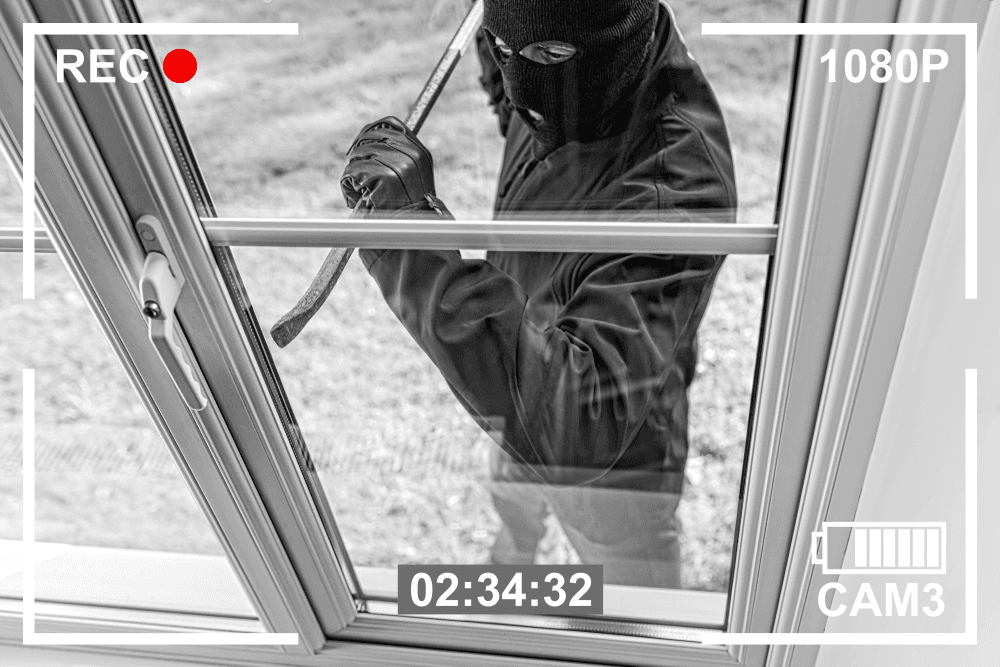
Your home should be the place where you feel safest. But when you think about your family, valuables, and everything you have worked hard to build, it is natural to wonder how well your property is protected when you are asleep, at work, or away for a few days.
A burglar alarm can provide an important layer of protection by detecting unusual activity and alerting you when something may be wrong.
Modern alarm systems have also come a long way. They are no longer limited to a loud siren that goes off when someone opens a door. Many systems can connect with smartphones, cameras, sensors, and other smart security devices.
However, choosing the right system can feel confusing when you are faced with different sensors, technologies, features, and installation options.
This guide explains how these systems work, what features matter, and what you should consider before choosing one for your home or business.
What is a burglar alarm?
A burglar alarm is a security system designed to detect unauthorized entry or suspicious activity around a property.
The system normally uses sensors placed around important entry points and areas of the property. When a sensor detects activity that matches a programmed security condition, the system can trigger an alarm or send an alert.
Depending on the setup, you may receive:
• A loud alarm from a siren
• A notification on your smartphone
• An alert through a monitoring service
• Information about which sensor was triggered
• A notification that can work alongside cameras or other security devices
The exact features depend on the system you choose.
How a burglar alarm works
The basic idea is quite simple.
Sensors are installed around areas that need protection. These can include doors, windows, hallways, garages, and other possible entry points.
When the system is armed, the sensors monitor the property.
For example, imagine you have a sensor installed on your front door. If someone opens that door while the system is armed, the sensor communicates with the control panel. The system then determines what action should be taken.
That could mean activating a siren, sending a mobile notification, or triggering another part of the security setup.
The process happens quickly, giving you an opportunity to respond rather than discovering the problem much later.
The main parts of an alarm system
A modern alarm system is made up of several components that work together.
Door and window sensors
Doors and windows are common entry points, so sensors are often placed on them. These sensors can detect when an entry point is opened while the system is armed. They are particularly useful for protecting ground floor windows, main doors, back doors, and other accessible entry points.
Motion sensors
Motion sensors monitor movement within selected areas. They can be useful for hallways, living spaces, offices, entrances, and other areas where movement may indicate unauthorized access. Placement is important. A poorly positioned sensor may detect unnecessary movement or fail to cover the area you actually want to protect.
Glass break sensors
Some systems can also use sensors designed to detect the sound or pattern associated with breaking glass. These can provide another layer of protection for properties with large windows or glass doors. Whether they are necessary depends on the layout and security needs of your property.
Control panel
The control panel acts as the central point of the system. It receives information from the sensors and manages the alarm according to the settings you have chosen. Modern systems may also allow you to control security features through a smartphone application.
Sirens
A siren provides an immediate audible warning when an alarm is triggered. The sound can alert people inside the property and may also attract attention from people nearby. Some systems can use different types of alerts depending on what has been detected.
Smart alarm systems are changing home security
Technology has made security systems much more convenient. Instead of simply relying on a siren, a smart security system can connect different devices and provide information through your phone.
For example, you could receive an alert while you are at work telling you that a door sensor has been triggered. If your system also includes cameras, you may be able to check what is happening around the property. This can be especially reassuring when you are away from home and cannot physically check the situation yourself.
Wired vs wireless alarm systems
One of the biggest decisions when choosing an alarm system is whether you want a wired or wireless setup.
| Feature | Wired alarm system | Wireless alarm system |
|---|---|---|
| Connection | Uses physical wiring | Uses wireless communication |
| Power | Usually connected to a power source | Often uses batteries for individual devices |
| Installation | May require more installation work | Can offer more flexibility |
| Maintenance | Less battery replacement for sensors | Batteries may need replacement or charging |
| Best suited for | Properties where wiring is practical | Properties where flexible placement is important |
Neither option is automatically right for every property. The best choice depends on the building, existing wiring, layout, connectivity, security requirements, and how you plan to use the system.
What to consider before choosing an alarm
Buying an alarm system should not be about choosing the system with the longest list of features. Start by thinking about what you actually need to protect.
Consider your property layout
Look at all possible entry points. Do you have a front entrance, back door, garage, basement windows, patio doors, or other accessible areas? A security professional can help identify areas that may need additional protection.
Think about your daily routine
Your security needs may be different if you are away from home for most of the day compared with someone who works from home. Consider when you want the system armed, who needs access, and whether you want alerts on your phone.
Decide whether you need smart features
Some homeowners only need a basic alarm system. Others may want mobile alerts, remote control, camera integration, smart locks, or other connected features. Think about what would genuinely make your security easier to manage.
Consider professional installation
Installation is not only about putting sensors on doors and walls. Sensor placement, system configuration, connectivity, and integration can all affect how well your security setup performs. Professional installation can be especially useful when you want several security devices to work together.
How alarms and security cameras can work together

An alarm can tell you that something unusual has happened. A camera can help you understand what is happening. When these systems work together, you can have both detection and visual information.
For example, a door sensor may detect that an entrance has been opened. A nearby camera may then provide a view of that area.
This can be particularly useful for homeowners who want more information before deciding how to respond to an alert.
Sharif Technologies provides alarm systems, security cameras, smart security solutions, and access control. Its approach allows different security technologies to work together as part of a more connected setup.
You can explore the company’s Alarm and Smart Security Systems service to learn more about its residential, business, smart security, and access control solutions.
What about false alarms
False alarms can be frustrating.
They may happen because of incorrect system settings, user mistakes, pets, doors that were not properly secured, or sensors that need attention.
Modern systems can include features designed to reduce unnecessary alerts, but correct installation and configuration still matter.
If you regularly receive alerts that do not represent genuine security concerns, it may be worth checking the system settings and having the equipment inspected.
A well-configured system should provide useful warnings without becoming something you simply learn to ignore.
Can a burglar alarm protect a business
Yes. Alarm systems are not only designed for homes.
Businesses may have different security requirements because they often have larger spaces, multiple entrances, valuable equipment, employees, customers, storage areas, and different operating hours.
A business alarm system can be designed around these specific needs.
For example, different areas may require different sensors or access permissions. Some businesses may also benefit from integrating alarms with cameras and access control.
The important point is to design the system around how the property is actually used.
How access control fits into security
Not every security concern involves someone breaking through a door or window. Sometimes the question is simply who should be allowed to enter a particular area. Access control systems can help manage and restrict entry.
For example, a business may want employees to access certain areas while restricting other spaces. A homeowner may also want greater control over who can enter specific parts of a property.
When alarms, cameras, and access control work together, they can provide different layers of protection rather than relying on a single device.
Do you need professional monitoring?
Some alarm systems can simply alert you directly through a siren or mobile notification. Other setups may include professional monitoring. The right option depends on your circumstances, budget, property, and the level of response you want when an alarm is triggered. Before choosing a system, ask exactly what happens after an alarm is activated and who receives the notification.
Understanding this process is just as important as understanding the sensors themselves.
Protecting your alarm system from digital threats
Smart security devices are connected to your network, so digital security matters too. Use strong and unique passwords for your accounts and keep the system software and associated applications updated. It is also worth reviewing who has access to your security account.
The Cybersecurity and Infrastructure Security Agency recommends practices such as using strong passwords, keeping software updated, and securing connected devices to reduce cybersecurity risks. You can read more through CISA guidance on securing connected devices.
Physical security and digital security are increasingly connected, so both deserve attention.
When is an alarm system worth considering
Every property has different security needs.
An alarm system may be particularly useful if you:
• Have several accessible doors or windows
• Travel frequently
• Leave your property empty during the day
• Have valuable equipment or belongings
• Want mobile security alerts
• Own a business with multiple entry points
• Want to connect alarms with cameras or access control
• Simply want an additional layer of protection
The goal is not to install the most complicated system available.
The goal is to create a security setup that makes sense for your property and gives you useful information when you need it.
Final thoughts
Choosing a burglar alarm is ultimately about more than buying sensors and installing a siren.
It is about understanding your property, identifying the areas that need protection, and choosing technology that fits your daily life.
A basic system may be enough for some properties, while others may benefit from smart alerts, cameras, access control, and professional monitoring.
Take time to consider your entry points, property layout, daily routine, connectivity, and long-term security needs before making a decision.
A well-planned security system should not make you constantly worry about what could happen. It should give you greater awareness and confidence when you are home, at work, asleep, or away.
Frequently asked questions
What is a burglar alarm?
A burglar alarm is a security system that uses sensors to detect unauthorized entry or suspicious activity and then triggers an alarm or sends an alert.
How does a burglar alarm detect an intruder?
It can use different sensors, including door and window sensors, motion sensors, and glass break sensors. When a sensor detects activity while the system is armed, it communicates with the control system.
Are wireless alarm systems reliable?
Wireless systems can provide reliable protection when they are properly installed and maintained. Their suitability depends on the property, wireless connectivity, device quality, and security requirements.
Can an alarm system work with security cameras?
Yes. Alarms and cameras can complement each other. An alarm can detect an event while a camera can provide visual information about what is happening.
Can I receive alarm alerts on my phone?
Many modern systems offer mobile notifications. The exact features depend on the system and the connected application.
Are burglar alarms only for homes?
No. Alarm systems can be designed for homes, offices, retail locations, commercial properties, and other environments.
Can a burglar alarm reduce break-in risk?
An alarm can act as a deterrent and provide an alert when suspicious activity is detected. However, no security system can guarantee that a break-in will never occur.
Should I install an alarm system myself?
Some basic systems are designed for simpler installation. However, professional installation can be useful when the property requires multiple sensors, careful placement, wiring, network configuration, or integration with cameras and access control.
What is the difference between an alarm system and a smart security system?
A traditional alarm may focus primarily on detecting unauthorized entry and triggering an alert. A smart security system can connect alarms with cameras, mobile notifications, access control, and other connected devices.