Call Us Today! +18447427438 | [email protected]


How Smart Home Technology Can Reduce Your Energy Bills
Many homeowners feel the pressure of rising energy costs. Opening a monthly utility bill and seeing higher numbers than expected can be frustrating, especially when it feels like there is little control over the situation.
Whether you are heating your home during winter, cooling it during summer, or simply powering everyday appliances, energy expenses can quickly add up. For families trying to manage household budgets, every dollar matters.
The good news is that modern Smart Home Technology is helping homeowners take greater control of their energy usage while making daily life more comfortable and convenient.
What makes this even more appealing is that saving energy does not mean sacrificing comfort. In many cases, smart home solutions actually improve convenience while helping reduce unnecessary energy waste.
If you have ever wondered whether Smart Home Technology is worth the investment, this guide will show you how it can help lower energy bills, improve efficiency, and create a smarter, more connected home.
Why Energy Costs Continue to Rise
Many factors contribute to increasing utility bills.
Homeowners often experience higher costs because of:
- Increased energy rates
- Seasonal heating and cooling demands
- Inefficient appliances
- Lights left on unnecessarily
- Heating or cooling empty rooms
- Devices consuming power when not in use
The challenge is that many people do not realize how much energy is being wasted throughout the day.
This is where Smart Home Technology can make a significant difference.
By automating and optimizing energy usage, homeowners can reduce waste and gain greater control over their household expenses.
Understanding Smart Home Technology
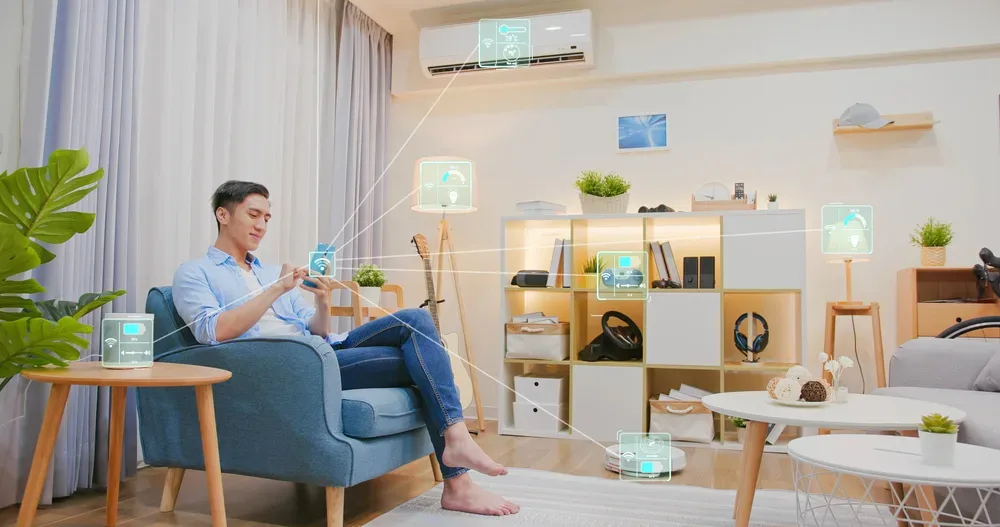
Smart Home Technology refers to connected devices that communicate through a network and can often be controlled using a smartphone, tablet, or voice assistant.
These systems help homeowners monitor and manage different aspects of their homes, including:
- Lighting
- Heating and cooling
- Security systems
- Appliances
- Entertainment devices
- Energy usage
Rather than manually adjusting everything throughout the day, smart systems can automate tasks and make decisions based on your preferences and habits.
The result is greater efficiency, convenience, and energy savings.
Smart Thermostats Help Reduce Heating and Cooling Costs
Heating and cooling often account for the largest portion of household energy bills.
Many homeowners unknowingly waste energy by heating or cooling rooms that are not being used.
Smart thermostats help solve this problem.
These devices learn your daily routines and automatically adjust temperatures based on occupancy and schedules.
For example:
- Lower temperatures when everyone is away
- Increase comfort before family members return home
- Reduce unnecessary heating during sleeping hours
Instead of running continuously, heating and cooling systems operate more efficiently.
Over time, these adjustments can lead to noticeable savings on monthly utility bills.
Smart Lighting Eliminates Unnecessary Energy Use
Lighting may seem like a small expense, but it can contribute significantly to overall energy consumption.
Many people leave lights on when leaving a room or forget to turn them off before leaving home.
Smart lighting systems help eliminate this problem.
Features often include:
- Automated schedules
- Motion detection
- Remote control
- Dimming capabilities
Imagine leaving for work and realizing you forgot to turn off the lights. With Smart Home Technology, you can simply use your smartphone to switch them off from anywhere.
Small changes like these can add up to meaningful savings throughout the year.
Smart Plugs Help Control Hidden Energy Waste
Many electronic devices continue consuming power even when they appear to be turned off.
This is commonly known as standby power.
Examples include:
- Televisions
- Gaming consoles
- Chargers
- Coffee makers
- Entertainment systems
Smart plugs allow homeowners to control power usage more effectively.
You can schedule devices to turn off automatically when not in use or monitor their energy consumption directly.
This simple upgrade helps eliminate unnecessary energy waste that often goes unnoticed.
Automated Climate Control Improves Efficiency
Maintaining a comfortable indoor environment is important for every family.
However, manually adjusting temperatures throughout the day can be difficult.
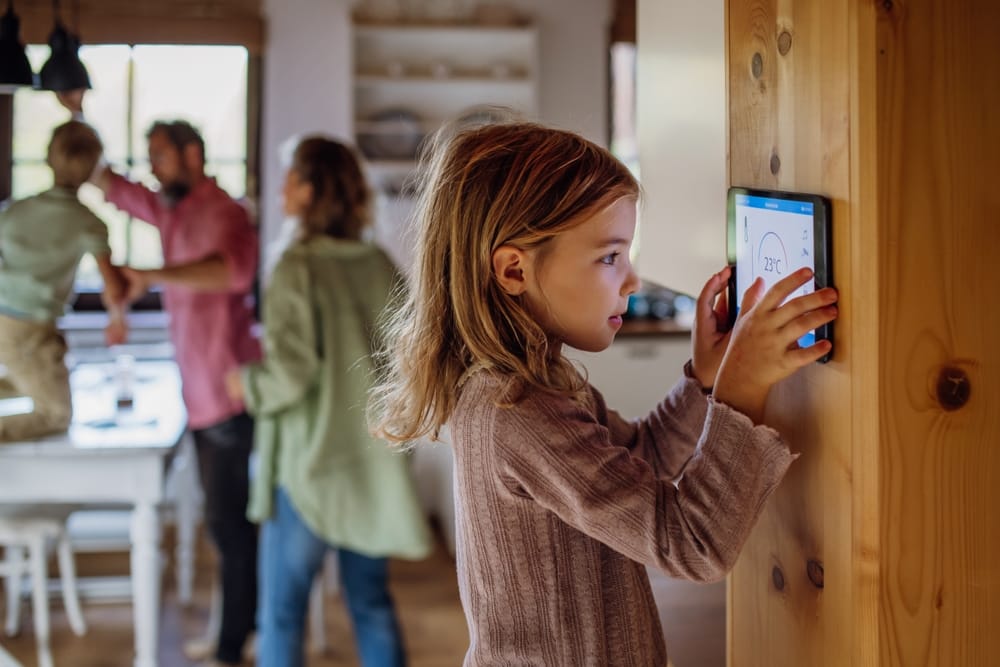
Smart Home Technology provides automated climate control that responds to changing conditions.
For example:
- Sensors detect room occupancy
- Temperature settings adjust automatically
- Systems respond to weather changes
This level of automation helps reduce energy consumption while ensuring that family members remain comfortable.
The result is a home that feels better while operating more efficiently.
Smart Window Coverings Can Reduce Energy Costs
Many homeowners overlook the impact that sunlight has on indoor temperatures.
During warmer months, excessive sunlight can increase cooling costs.
During colder months, heat may escape through uncovered windows.
Smart blinds and shades can automatically adjust based on the time of day and weather conditions.
Benefits include:
- Reduced cooling demands
- Improved indoor comfort
- Better temperature regulation
- Increased energy efficiency
By working alongside heating and cooling systems, these solutions contribute to lower utility bills.
Real Time Energy Monitoring Creates Awareness
One of the biggest reasons homeowners waste energy is simply because they do not know where it is being used.
Smart energy monitoring tools provide detailed information about household consumption.
Homeowners can identify:
- High energy appliances
- Usage patterns
- Areas of waste
- Opportunities for improvement
This visibility allows families to make informed decisions that lead to long term savings.
When people understand their energy habits, they are often able to reduce unnecessary consumption.
Smart Appliances Improve Efficiency
Many modern appliances are designed with energy efficiency in mind.
Smart refrigerators, washing machines, dishwashers, and other devices offer features that help reduce energy consumption.
Examples include:
- Running during lower cost periods
- Optimized operating cycles
- Energy usage tracking
- Remote control capabilities
These improvements may seem small individually, but together they can make a meaningful difference.
Security Systems Can Support Energy Savings
Many people associate Smart Home Technology primarily with security.
While security remains an important benefit, smart security systems can also contribute to energy efficiency.
For example:
- Motion sensors can activate lighting only when needed.
- Smart cameras can work alongside automated systems.
- Occupancy detection can adjust heating and cooling settings.
This integration creates a more intelligent home environment where energy is used only when necessary.
Homeowners interested in creating a connected and energy efficient property can explore smart home and security solutions available through Sharif Technologies to better manage both comfort and protection.
Convenience Leads to Better Energy Habits
One of the biggest advantages of Smart Home Technology is convenience.
When energy saving actions become automatic, homeowners are more likely to maintain efficient habits.
Consider the difference between:
- Remembering to adjust a thermostat every day
- Having the system do it automatically
Or:
- Walking through the house turning off lights
- Allowing smart automation to handle the task
Convenience often leads to consistency, which ultimately leads to greater savings.
Smart Home Technology Supports Sustainability
Many homeowners are becoming more conscious of their environmental impact.
Reducing energy consumption benefits both household budgets and the environment.
By using less electricity and reducing unnecessary waste, smart home systems help lower overall energy demand.
This allows families to enjoy modern comforts while supporting more sustainable living practices.
For homeowners who care about creating a better future for their children and communities, this is an important benefit.
Common Mistakes That Increase Energy Bills
Even with modern technology, some habits can still lead to higher costs.
Common mistakes include:
- Ignoring software updates
- Using outdated appliances
- Setting unrealistic temperature preferences
- Leaving systems running unnecessarily
- Failing to monitor energy usage
Smart Home Technology works best when homeowners remain engaged and use available features effectively.
How to Get Started With Smart Home Technology
Many homeowners assume smart home systems are complicated or expensive.
In reality, getting started can be surprisingly simple.
Popular entry points include:
- Smart thermostats
- Smart lighting systems
- Smart plugs
- Smart security devices
- Energy monitoring tools
Starting with one or two upgrades allows homeowners to experience the benefits before expanding their systems over time.
Professional installation can also help ensure everything works together efficiently.
Choosing the Right Smart Home Solutions
Every household has unique needs.
Some families may prioritize energy savings, while others focus on convenience, security, or automation.
The best approach is to identify areas where energy waste occurs most frequently.
Working with experienced professionals can help homeowners choose solutions that deliver meaningful results while fitting their lifestyle and budget.
Learn More About Energy Efficiency
Homeowners interested in improving energy efficiency can explore resources provided by the Government of Canada’s energy efficiency programs.
Conclusion
Rising utility bills can create stress for homeowners, but Smart Home Technology offers a practical solution. By automating everyday tasks, improving efficiency, and reducing unnecessary energy use, smart home systems help families take greater control of their expenses.
From smart thermostats and lighting systems to energy monitoring tools and automated climate control, these technologies make it easier to save energy without sacrificing comfort.
Beyond financial savings, smart home solutions provide convenience, security, and peace of mind. They allow homeowners to create a more connected environment while supporting long term sustainability.
Every family wants a home that feels comfortable, secure, and affordable to maintain. Smart Home Technology helps make that goal more achievable by turning everyday energy savings into a simple part of daily life.
Frequently Asked Questions
How does Smart Home Technology reduce energy bills?
Smart Home Technology reduces energy waste by automating lighting, heating, cooling, and appliance usage based on schedules, occupancy, and real time conditions.
Are smart thermostats worth the investment?
Yes. Smart thermostats often help homeowners reduce heating and cooling costs by automatically adjusting temperatures for greater efficiency.
Can smart lighting lower electricity costs?
Yes. Smart lighting systems reduce unnecessary energy use by turning lights off automatically and allowing better control over usage.
Do smart home systems require professional installation?
Some devices can be installed by homeowners, while larger integrated systems often benefit from professional installation for optimal performance.
Is Smart Home Technology only useful for large homes?
No. Smart Home Technology can benefit homes of all sizes by improving energy efficiency, convenience, security, and overall comfort.